
Sub-Total: $0.00

Mona Susan Power discusses the complexities of cultural trauma, family history, and the transformative power of storytelling.
Explore why many of us struggle with ancestral trauma and deep-seated personal shame without realizing these burdens aren’t entirely theirs to carry, how witnessing the “unspoken” stories of our ancestors can lead to profound personal growth, and so much more!
About Mona Susan Power
Mona Susan Power is an enrolled member of the Standing Rock Sioux Tribe and an award-winning author whose work serves as “powerful good medicine.” A graduate of Harvard Law School and the Iowa Writers’ Workshop, she has received numerous prestigious honors, including the PEN/Hemingway Prize and the Minnesota Book Award. Her most recent novel, A Council of Dolls, was longlisted for the National Book Award. Mona’s writing is celebrated for its vulnerability and ability to explore the deep intersections of Indigenous history, resilience, and healing.
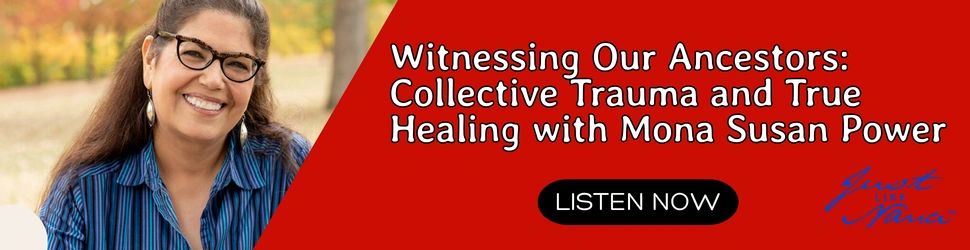
Lessons on Ancestral Trauma and Resilience with Mona Susan Power
Growing up, many of us are taught to leave the past in the past. We’re told that the struggles of our parents or the secrets of our grandparents don’t have to define us. But as I’ve navigated my own journey, I’ve realized that the past isn’t just behind us—it’s living inside us, shaping our voices, our fears, and the way we move through the world.
In the latest episode of Just Like Nana, I had the absolute honor and joy of sitting down with Mona Susan Power. Mona is a brilliant author, a Standing Rock Sioux Tribe member, and a woman whose wisdom provides powerful good medicine. We talked about her beautiful novel, A Council of Dolls, but our conversation went so much deeper than the pages of a book. We dove into the heavy, often hidden world of ancestral trauma and, more importantly, how we can begin to heal it.
If you’ve ever felt like you’re carrying a weight that doesn’t belong to you, or if you’ve struggled to silence a mean voice in your head that sounds suspiciously like a relative, this conversation is for you.
The Scripts We Inherit
Mona and I discussed inner scripts. We all have them, those automatic thoughts that tell us we aren’t enough, or that we need to hide who we are to be safe.
Mona explained that for many of us, especially in Indigenous communities or families that have faced systemic hardship, these scripts are echoes of historical trauma. When our ancestors faced the horrors of colonization or the Indian Boarding School system, they developed survival mechanisms. Those mechanisms, like silence, vigilance, or emotional distance, get passed down through the generations.
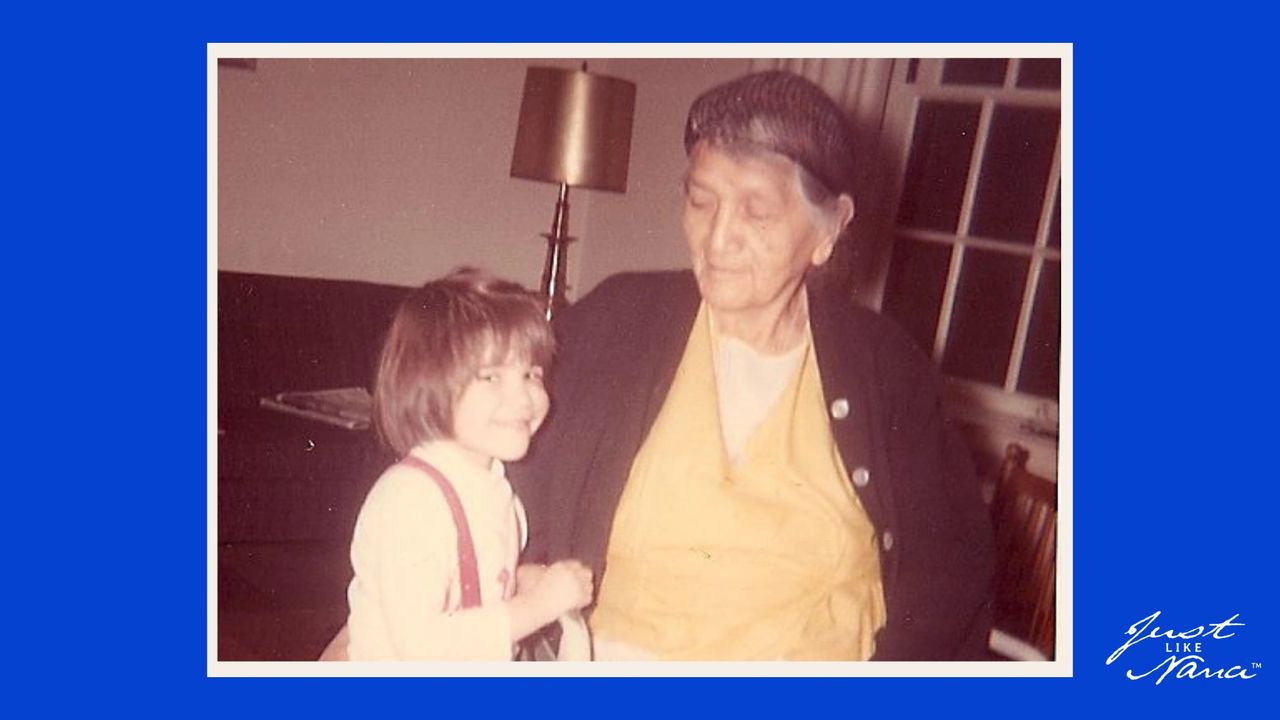
Learning to Witness Our Elders
It can be so hard to forgive the people who raised us (or the people who raised them) when there has been struggle and pain. Many of us wrestle with the complicated feelings that come with family history. But Mona offered a perspective that I found incredibly healing: the power of witnessing.
Instead of viewing a difficult parent through the lens of judgment, Mona invites us to witness their story. When she looked at the why behind her characters’ behavior—the layers of loss and the pressure of survival—judgment melted into compassion.
As she put it, when we hear the story that was never allowed to be told, we provide a sense of relief not just for ourselves, but for those who came before us. It’s a way of saying, “I see what you went through, and I understand why you were the way you were.” That acknowledgment starts to break cycles.
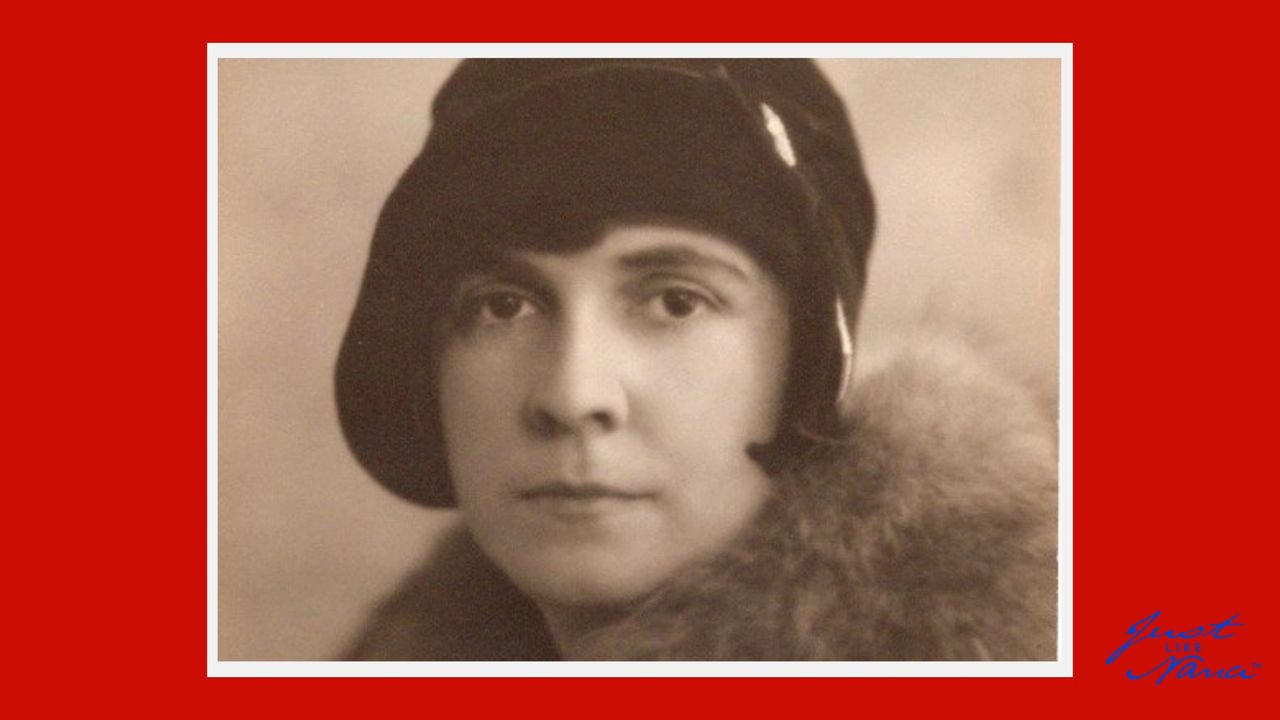
Grandma Marjorie
You Are Never Alone in This Work
If there is one thing I want you to take away from my time with Mona, it’s this: Your ancestors are rooting for you.
Mona spoke beautifully about how we can call on those who came before us for help. Even if we don’t know their names or their specific stories, they know us. They are our best allies, and they want us to succeed where they might have struggled. They want the cycle of pain to end with us.
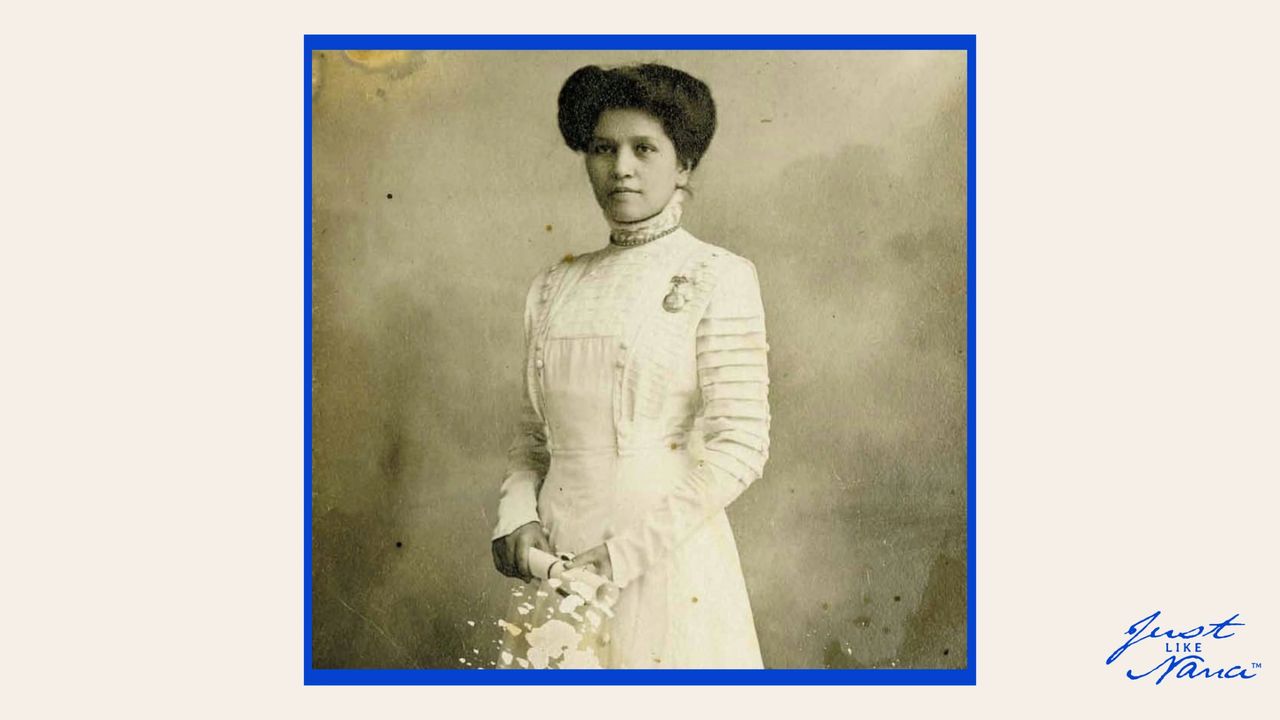
Grandma Josephine
Final Thoughts
Talking to wise women such as Mona Susan Power is exactly why I started Just Like Nana. We are all trying to figure out how to heal, to help ourselves and to help others.
I want to challenge you this week to listen to that inner voice. Is it yours? Or is it someone else talking? Remember, you have the power to write your own story.
Resources Mentioned
- Harvard Magazine: Trails of Tears, and Hope: https://www.harvardmagazine.com/2008/03/trails-of-tears-and-hope-html
- The Basics of Complex Trauma | Tim Fletcher: https://www.youtube.com/watch?v=6IxEwPMqB-c
Connect with Mona Susan Power
- Website: https://www.monasusanpower.com/books
- A Council of Dolls Book: https://bookshop.org/p/books/a-council-of-dolls-a-novel-mona-susan-power/4a8bb4a17e0fdf12?ean=9780063281103&next=t
- Bloodthread (Short Story): https://www.thegeorgiareview.com/posts/bloodthread/
- NY Times: After a Long and Painful Absence, Writing Her Way Home Again: https://www.nytimes.com/2023/08/07/books/mona-susan-power-council-of-dolls-indigenous-book.html
Connect with the Show
Are you curious about the “Elizabeths” in your own family tree? We want to hear from you!
- Website: justlikenana.com
- Share Your Story: If you have a family story or trauma you’re exploring, reach out via our website for a chance to be interviewed.