
Sub-Total: $0.00

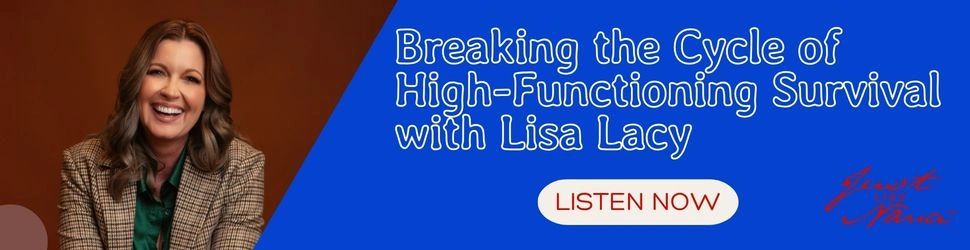
Lisa Lacy, author and trauma educator, explains the role of storytelling in healing and why self-trust is key to healing ancestral trauma.
Explore why some healing modalities may work for you and others won’t, and the importance of getting in touch with your body to feel safe and grounded.
About Lisa
Lisa Lacy is a writer, trauma educator, and author of the upcoming memoir “Notes From a Certified Madwoman” and its companion “Field Guide: The Psychology of Performance™️”. After more than three decades in corporate education, healthcare consulting, performance, and storytelling, Lisa now speaks and writes about addiction, psychosis, trauma, nervous systems, identity masking, reinvention, and the hidden realities of high functioning survival in women. Drawing from lived experience, recovery, and years teaching trauma-informed emotional intelligence in addiction recovery centers across Georgia, Lisa creates conversations that are psychologically informed without sounding clinical, emotionally honest, unexpectedly funny, and deeply human.
The Epigenetics of Hope: Finding Your True Power with Lisa Lacy
My guest on the latest episode of Just Like Nana is the phenomenal Lisa Lacy. Lisa is a writer, trauma educator, and the author of an upcoming memoir and companion field guide. After spending more than three decades traversing the worlds of corporate education, healthcare consulting, performance, and professional storytelling, she now speaks and writes about addiction, psychosis, identity masking, and the hidden realities of high-functioning survival in women. Lisa draws directly from her own intense lived recovery and years of teaching trauma-informed emotional intelligence in addiction centers across Georgia.
The Newspaper Clipping and the Epigenetics of Fear
Many of our listeners know what it feels like to grow up with a silent, heavy undercurrent of trauma in their household—a feeling that you are carrying a profound weight of anxiety, depression, or fear that doesn’t actually seem to belong to your own life calendar.
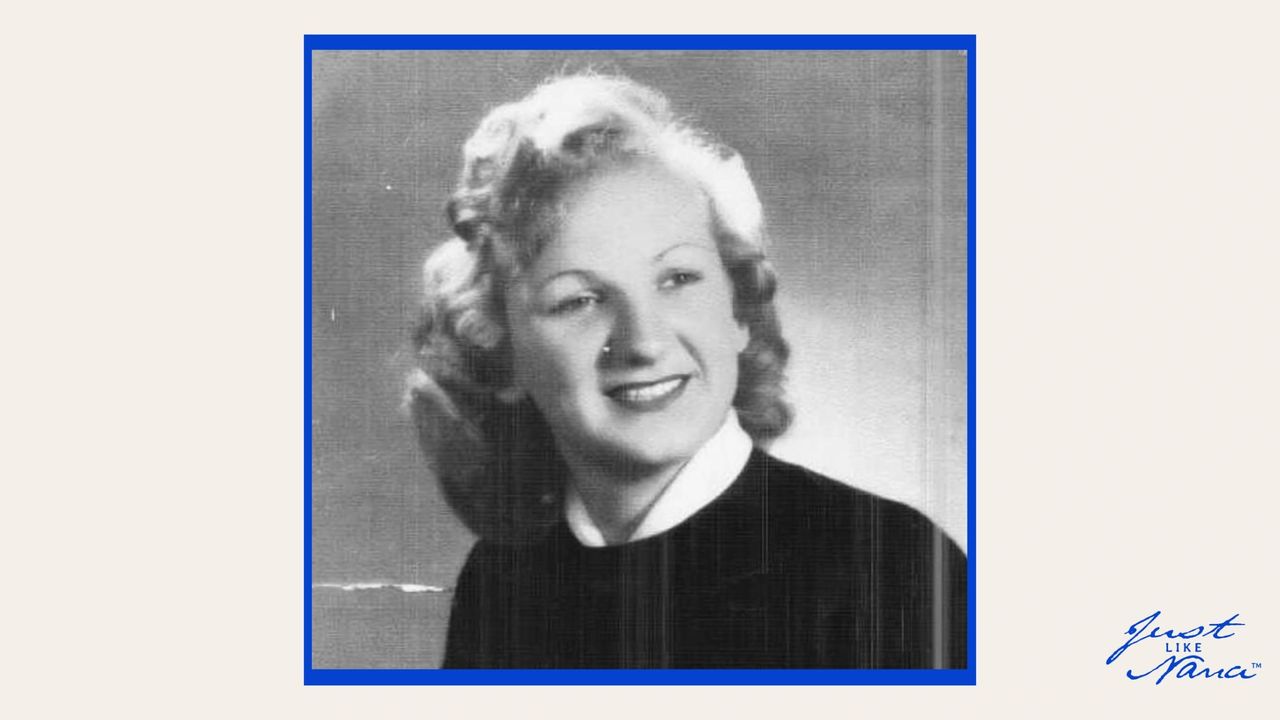
Lisa understands this on a bone-deep level. She never had the chance to meet her maternal grandmother. Instead, her introduction to her grandmother came through a newspaper clipping. The article detailed her grandmother’s tragic death from domestic violence that occurred when Lisa’s mother was just twelve years old. Her grandmother’s husband did not serve time.
For generations, that catastrophic trauma reverberated through the family. Lisa watched her mother repeat the cycle of entering abusive relationships, and Lisa eventually found herself repeating those same toxic, conditioned marital cycles in her own adult life.
If you have ever felt like the “black sheep” or the isolated cycle breaker in your family tree, Lisa wants you to know that you are not losing your mind. There is profound brain science to back up what you are feeling. She shared a fascinating study where adult rats were conditioned to fear the smell of cherry blossoms through mild electrical shocks. Amazingly, the offspring of those rats—and even the generation after them—were born with an inherent, instinctual fear of cherry blossoms without ever being shocked themselves. Even wilder? The neurons in their noses actually grew larger so they could smell the danger better.
We inherit the physiological and psychological blueprints of our ancestors’ survival. We inherit the hyper-vigilance. We inherit the fear. But recognizing that the weight you are carrying isn’t entirely yours is the first massive step toward setting it down.
Who Are You Now? (Ditching the Survival Mask)
When Lisa fell into a full-blown psychosis and courageously fought her way back out, she became a self-proclaimed brain science geek. She tried every clinical therapeutic modality under the sun: CBT, DBT, neurofeedback, brain mapping, and EMDR. But she found herself still wanting more.
True transformation arrived when she shifted away from traditional talk therapy and looked forward through transformational coaching. She stopped asking the popular, forward-facing question, “Who are you becoming?” and instead asked the raw, honest question: “Who are you right now?”
We cannot figure out where we are going if we refuse to look at what survival made us become. Healing requires us to look at our current iteration without judgment. Are you cynical? Are you terrified to trust people? Are you masking your identity just to keep the peace?
Dogs Don’t Gaslight: Finding Your Safe Witness
One of the most beautiful threads of our conversation centered around the power of storytelling and the necessity of a safe witness. Secrecy holds the shame of ancestral trauma. The moment a story is given voice and witnessed by someone safe, the shame loses its grip.
But for many trauma survivors, finding a safe human witness within your biological family is nearly impossible. Your blood relatives are often completely resigned to the secrecy and denial that kept them alive.
That is where our Chosen Family comes in—and specifically, our animal companions. Lisa’s upcoming book, Dogs Don’t Gaslight, honors the six dogs in her life who acted as steady, soulful witnesses to the hidden realities underneath the surface of her life.
Dogs are ultimate truth-tellers. If they choose you, they never change their mind. They don’t judge, they don’t rewrite history, and they don’t minimize your pain. Spiritually, they serve as vital soul contracts. If you are terrified to share your story with the world, start by whispering it to a companion who will simply sit, witness you, and offer unconditional loyalty.
The Trap of Forced Forgiveness
At Just Like Nana, we talk about honoring our ancestors, but that can get sticky when those ancestors caused direct harm. Lisa offers an incredibly liberating perspective on this dilemma: Forced forgiveness is a psychological trap.
Instead of forcing a narrative of forgiveness that feels hollow or premature, Lisa opted for human understanding. She learned to understand that her mother’s trauma directly caused her to be the parent she was, just as Lisa’s own trauma informed her early parenting. The difference? Lisa took radical accountability, changed her behavior, and explicitly saved up for her daughter’s college fund and her therapy fund.
You may never get closure from the person who hurt you. True sovereignty means realizing that closure is an internal job. It is not something another human being can grant you.
Resources Mentioned
- It Didn’t Start with You by Mark Wolynn: https://markwolynn.com/it-didnt-start-with-you/
- Dolores Cannon: https://dolorescannon.com/
- Multipotentialite Ted Talk by Emilie Wapnik: https://www.youtube.com/watch?v=4sZdcB6bjI8
Connect with Lisa Lacy
Website: https://www.lisalacy.com/about-1
LinkedIn: https://www.linkedin.com/in/lisalacycalm
Instagram: https://www.instagram.com/lisa_lacy_writes/
Connect with the Show
- Website: justlikenana.com
- Share Your Story: If you have a family story or trauma you’re exploring, reach out via our website for a chance to be interviewed.