
Sub-Total: $0.00
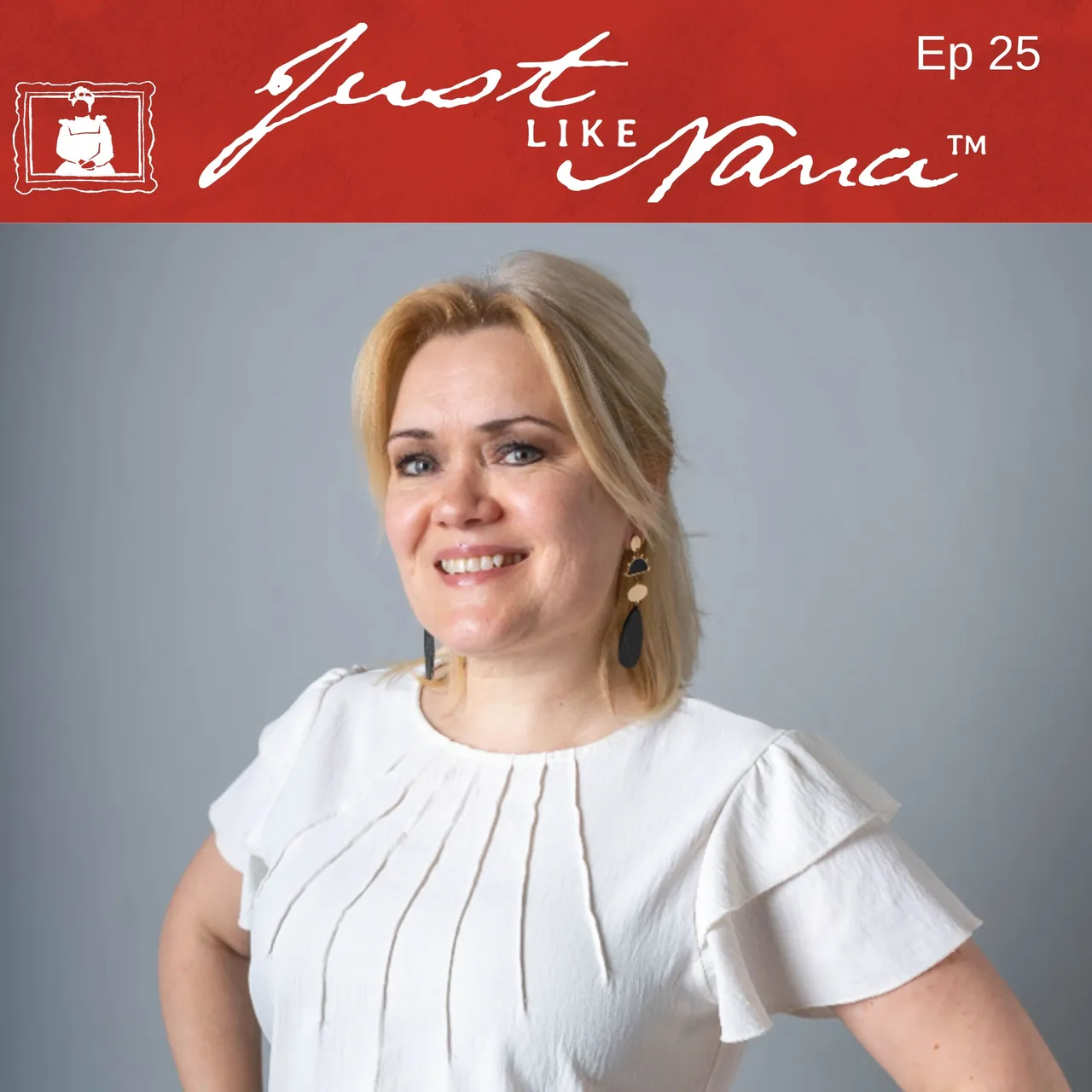
Stress management coach Lolita Guarin explains that struggling with anxiety and self abandonment can be an unintentional way of staying ‘loyal’ to your family’s trauma patterns.
About Lolita Guarin
Lolita Guarin is a stress management expert, speaker, coach, six-time Amazon #1 bestselling author, creator of the CALM Process, and Story to IMPACT mentor. She helps audiences move from stress and burnout into clarity, confidence, and self-trust with practical tools they can use right away.

Breaking Generational Self-Abandonment with Lolita Guarin
I want to start our time together with a very gentle, intentional wish for your week. Sometime over the next few days, I hope you find a moment to take in the beauty of nature. Maybe step outside, touch the rough bark of a tree, or smell a flower. If you can’t get outside, maybe just look out a window, watch the clouds roll across the sky, and marvel at the world. When we are digging into the heavy, deeply rooted layers of family lines, we need those small, beautiful anchors to keep our nervous system grounded.
And speaking of deep layers, my guest on the latest episode of Just Like Nana is Lolita Guarin. She is a stress management expert, coach, six-time Amazon number-one bestselling author, and the creator of The Calm Process. She specializes in helping people move out of chronic burnout and hyper-vigilance into a space of clarity, confidence, and self-trust.
The Badge of Honor and Misplaced Loyalty
In our modern society, we have a terrible habit of wearing chronic stress and burnout like a badge of honor. When someone asks how we are, we automatically respond with how busy, exhausted, and run-ragged we are.
Lolita points out that this is actually an act of misplaced loyalty to our ancestors. Because our parents and grandparents had to constantly struggle and sacrifice just to ensure the physical survival of the lineage, we subconsciously believe that if we aren’t suffering, we aren’t honoring their legacy. We believe that to be included in the family group, we must value the struggle above our own well-being.
This dynamic turns into self-abandonment. We abandon our physical and emotional needs. We push our bodies to the brink–sometimes even creating medical emergencies–just to maintain a subconscious loyalty to an ancestral pattern of survivalism.
Building Self-Trust: The Ultimate Permissive Act
Our ancestors did not survive wars, scarcity, and famines so that we would remain frozen in their survival loops. Nearly all (maybe even all) ancestors ultimately want the generations behind them to be healthy, sovereign, and happy. Breaking the pattern requires the courage to let go of that broken loyalty and give yourself explicit permission to choose you.
Lolita shares that the quickest way out of generational self-abandonment is to start building micro-moments of self-trust:
- Catch the Automatic “Yes”: When someone makes a demand on your time and you feel your system resist, don’t bulldoze yourself. Say, “Let me think about it and get back to you,” giving yourself the space to safely say “no” later.
- Document Your Victories: Actively write down a list of the difficult situations you have survived. Remind your nervous system that you are an adult now, and you have the capability to keep yourself safe.
- Be Your Own Loving Grandmother: Step into the role of the ancestor you always deserved to have. Look at yourself with radical compassion and tell your inner child: “You are doing beautifully. You are enough. I love you.”
If Lolita’s story touched your spirit, please share this episode with a fellow cycle breaker.
And remember–in Lolita’s words: you are perfect by default.
Resources Mentioned
Dr. Gabor Maté: https://drgabormate.com/
Connect with Lolita
Lolita’s Website: https://www.beamazingyou.com/
Lolita’s Books: https://beamazingyou.lpages.co/get-the-books/
Book a Session: https://beamazingyou.lpages.co/book-a-session/
Connect with the Show
- Website: justlikenana.com
- Share Your Story: If you have a family story or trauma you’re exploring, reach out via our website for a chance to be interviewed.