
Sub-Total: $0.00
03/06/2026 |
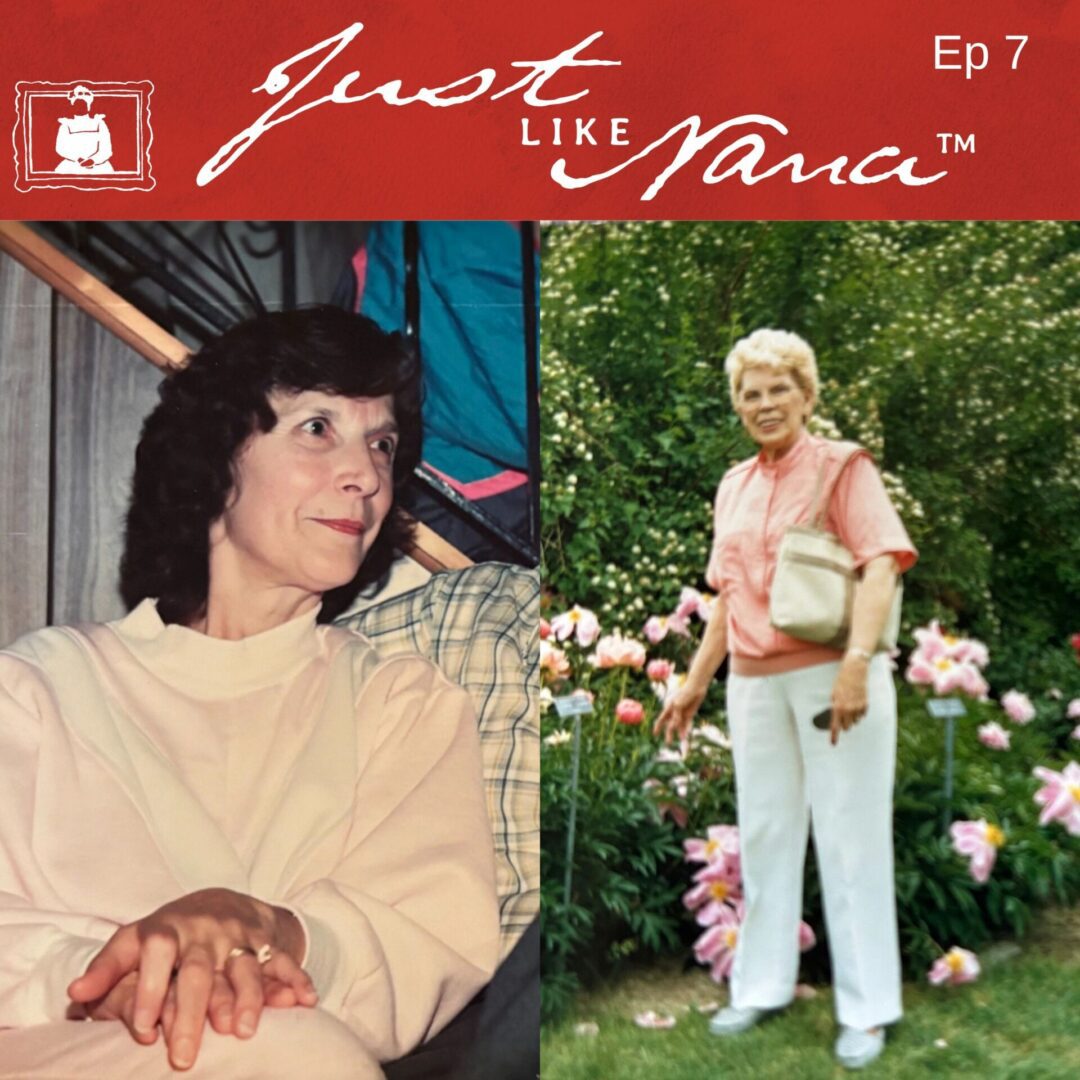
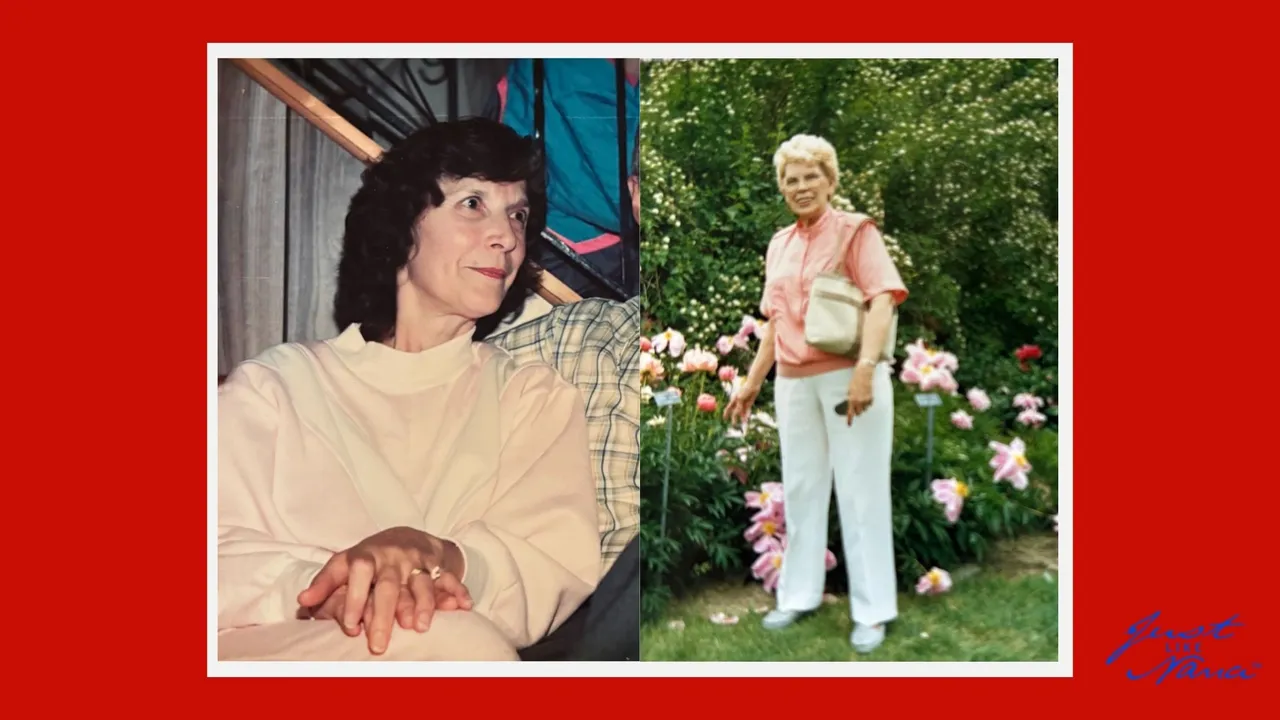
(Left) Grandma Audrey; (Right) Grandma Alice
In this episode of Just Like Nana, host Amie (Elizabeth) Penny Sayler is joined by Kenlee Valleskey, as they discuss Internal Family Systems (IFS) as it relates to the weight of generational cycles and ancestral trauma. This work is so important in understanding how our internal world of wounded and protective parts is shaped by the experiences of our ancestors.
About Kenlee:
Kenlee Valleskey is a licensed professional counselor with extensive experience in Internal Family Systems (IFS). As a lover of questions and the intersections of our lives, she explores spaces that don’t have neat, easy answers or a neat, easy arrival. From exploring the evolving terrain of grief and identity and deconstructing systemic narratives to learning what it means to love and trust ourselves in new ways, Kenlee has so much to teach us about accepting and working with all aspects of ourselves and our ancestors.
Breaking the Cycle: Healing Ancestral Trauma Through Internal Family Systems (IFS)
We often think of our lives as being shaped by our own choices, successes, and failures. However, many of us carry a silent weight—patterns of anxiety, perfectionism, or a constant sense of “not being enough”—that doesn’t quite feel like it started with us. On the latest episode of the Just Like Nana podcast, I sat down with therapist Kenlee Valleskey to discuss how Internal Family Systems (IFS) offers a transformative pathway for addressing this ancestral trauma and reclaiming our authentic selves.
Understanding the “Internal Family”
At its core, IFS is based on the idea that we aren’t just one monolithic personality; we are made up of various “parts” that interact like a family. Kenlee explains that these parts generally fall into three categories:
- The Core Self: This is the seat of consciousness, characterized by “8 Cs”: compassion, clarity, courage, connectedness, calm, confidence, creativity, and curiosity. The Self is inherently healing and cannot be damaged by trauma.
- Wounded Parts (Exiles): These are parts that have experienced pain or trauma, often early in life. They carry “burdens”—painful beliefs like “I am worthless” or “the world is dangerous”.
- Protective Parts (Managers and Firefighters): These parts step in to protect the system from the pain of the wounded parts. They might manifest as perfectionism, control, or even addiction.
In the context of ancestral healing, many of these “parts” are carrying stories and survival strategies passed down from previous generations.
How Trauma Travels Through Generations
Trauma isn’t just an event that happens to an individual; it is a shift in the nervous system that can be passed down. Kenlee notes that through epigenetics, we can actually inherit the survival responses of our ancestors. For example, a grandmother who lived through a period of extreme scarcity may pass down a nervous system primed for “survival mode,” leading her descendants to feel a constant, unexplained sense of urgency or fear even in times of plenty.
Kenlee shares a powerful quote from Mark Nepo to illustrate this: “The pain was necessary to show the truth. But we don’t have to keep the pain alive to keep the truth alive.“ Ancestral healing is the process of acknowledging the truth of what our ancestors endured without continuing to reenact their pain as a way of honoring them.
The Power of Witnessing
One of the most profound shifts in IFS is the move from “managing” symptoms to “witnessing” wounds. Often, we try to fix our “bad” behaviors—like procrastination or a quick temper—through sheer willpower. But in IFS, there are “no bad parts.” Every part, no matter how problematic its behavior, is trying to help the system survive.
Healing begins when we can step into our Core Self and witness the wounded parts with compassion. As Kenlee explains, when a wound is fully witnessed—whether it’s our own or an ancestral one—it no longer needs to scream for attention through repetitive, painful patterns. We can say to our ancestors, “I see what you went through. It was real, and it was hard. But I am safe now, and I don’t have to carry this for you anymore.”
Practical Steps for Your Journey
If you feel called to explore your own lineage and internal family, Kenlee suggests several resources and starting points:
- Listen to the Blueprint: Your pain is not the enemy; it is a blueprint. Ask your “protector” parts: “What are you afraid would happen if you stopped doing this job?”
- Acknowledge the Truth: Use journaling, ritual, or storytelling to acknowledge the lives of your ancestors. I do this by researching and writing the stories of my 45 Elizabeth Nanas, finding moments of profound connection and energetic release.
- Seek Guides: Books like No Bad Parts by Richard Schwartz or It Didn’t Start with You by Mark Wolynn can provide a structured way to understand these concepts.
- Find Community: Look for spaces that honor grief and collective witnessing, such as “The Grief Room” in St. Paul, where Kenlee houses her practice.
Healing ancestral trauma is not about blaming those who came before us. It is about having the courage to say that the survival stories of the past do not have to be the living stories of our future. By connecting with our Core Self, we can finally give our ancestors—and ourselves—the witnessing and rest they have long deserved.
Resources Mentioned
- No Bad Parts by Richard Schwartz: https://a.co/d/08nxdmbU
- It Didn’t Start With You by Mark Wolynn: https://a.co/d/0gEpUOf7
- IFS Institute: https://ifs-institute.com/
- Dr. Gabor Maté: https://drgabormate.com/
- Somebody’s Daughter by Ashley C. Ford: https://a.co/d/0cV34FW4
- What My Bones Know by Stephanie Foo: https://a.co/d/00MvSpSW
- Adult Children of Emotionally Immature Parents by Lindsay Gibson: https://a.co/d/06J3NKyQ
- Decolonizing Therapy by Jennifer Mullan: https://a.co/d/0cNaMrxT
- Francis Weller: https://www.francisweller.net/
- Harriet Lerner: https://www.harrietlerner.com/
- Mark Nepo: https://www.marknepo.com/
Connect with Kenlee:
- Website: https://www.kenleevalleskey.com/
- The Grief Room, St. Paul, MN: https://www.thegriefroom.com/
- The Fallows: https://www.stayatfallows.com/
Connect with the Show
Do you have a story about the “Elizabeths” in your own family tree? We want to hear from you!
- Website: justlikenana.com
- Share Your Story: If you have a family story or trauma you’re exploring, reach out via our website for a chance to be interviewed.