
Sub-Total: $0.00
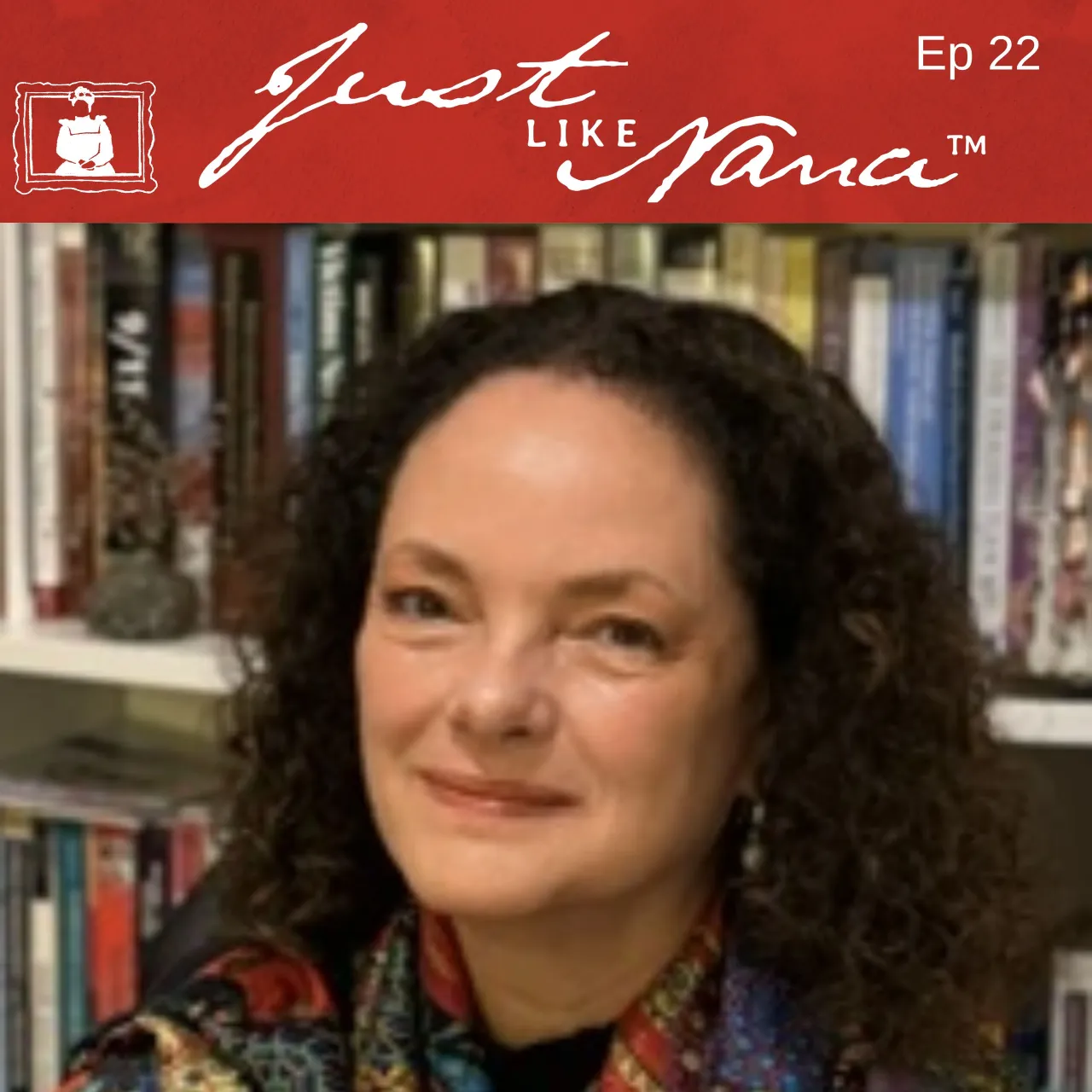
Dr. Irit Felsen, a clinical psychologist who specializes in trauma and traumatic loss, discusses the impact of significant familial trauma through the lens of Holocaust survivors and their families.
Explore how to navigate family dynamics that result from trauma, and the importance of separating the love from the trauma.
About Dr. Irit Felsen
Irit Felsen, PhD is a clinical psychologist specializing in trauma and traumatic loss, whose clinical work and research have been focused on Holocaust survivors and their families. Dr. Felsen is an Adjunct Professor at Columbia University and was previously an Assistant Professor at Ferkauf Graduate School of Psychology, Yeshiva University for 14 years. Dr. Felsen is a Fellow of the APA Trauma division (Division 56) and a member of the American Academy of Experts in Traumatic Stress. She is the chair of the Trauma Working Group at the NGO Committee on Mental Health in Consultative Relationship to the United Nations.
During the Covid-19 pandemic, Dr. Felsen was the chair of the Working Group focused on the needs of Vibrant Older Adults in the APA Interdivision Covid-19 Task Force, and when she resided in NJ, she was a board member of the Holocaust Council of MetroWest.
Dr. Felsen’s papers have been published in peer-reviewed professional journals, and she authored multiple book chapters. Her research was the basis for the book “Psychoanalysis and Holocaust Testimony: Memories of Unwanted Social Trauma.”
Dr. Felsen is sought-after speaker presenting nationally and internationally about the long-term effects of trauma on survivors and about the intergenerational transmission of trauma and resilience to the descendants of survivors. She is in private practice in Englewood, NJ.
Unwinding the Post-Traumatic Graft: Separating Love from Legacy with Dr. Irit Felsen
Every once in a while, a conversation comes along that completely reshapes the landscape of how we view our families, our upbringings, and the heavy things we carry. My latest chat on Just Like Nana with Dr. Irit Felsen offered that shift.
This episode is heavy. We are talking about massive, historical, catastrophic trauma. Dr. Felsen’s research has centered on Holocaust survivors and their children. If this topic feels like too much for you, please take care of yourself and skip this episode.
As always, I want to anchor our space in our shared truth: I am not a mental health professional. I am a passionate curator of information, a seeker of ancestral threads, and a fellow traveler on this path of remembrance. My goal is to offer you insights that might help you reclaim your magic and your history, but you are the ultimate expert of your own life and your family line. Take what opens a door for you, and leave the rest behind.
The Blueprint of the Post-Traumatic Graft
When a family has survived massive historical atrocities, the echo of that survival doesn’t just stop when the event ends. It gets encoded into the family blueprint. For children of trauma survivors, this often manifests as a complicated, agonizing tension around personal independence.
Many of our listeners share the pain point of feeling like their parents’ behavior curtailed their autonomy. Maybe your parents were intensely overprotective, hyper-vigilant, or reacted with deep anxiety whenever you tried to establish boundaries or step out into the world on your own. It is easy to internalize those behaviors as a lack of care, a lack of trust, or a limitation on how much they wanted you to succeed.
Dr. Felsen explained that after a human being experiences profound trauma, their psyche develops intense, rigid coping strategies to keep themselves and their loved ones safe. Over time, these coping strategies become “grafted” onto their personality. When a parent acts out of hyper-vigilance, controls your environment, or struggles to let you separate from them, you are not looking at their true core personality. You are looking at a post-traumatic graft—a protective shield that became attached to their way of being.
Separating Core Love From Survival Reactions
Once we understand what a post-traumatic graft is, the healing work changes entirely. Dr. Felsen challenges us to separate who our parents genuinely are—their core wishes, desires, and love for us—from their post-traumatic survival reactions.
A parent trapped in the aftermath of trauma may truly, deeply want you to have a beautiful, expansive life. But the moment you try to step into that expansiveness, their post-traumatic graft kicks in, screaming that danger is near. They might react with anger, guilt, or restriction.
If we only look at the behavior, we see a parent who doesn’t want us to grow. But if we look beneath the graft, we see a nervous system that is simply terrified of loss. Recognizing this doesn’t mean we excuse harmful or toxic behaviors; rather, it de-pathologizes the relationship. It shifts our perspective from “My parents don’t want me to be independent” to “My parents love me, but their trauma makes safety look like restriction.” This realization introduces more compassion into our family dynamics.
The Responsibility of Finding Your Own Voice
One of the hardest truths Dr. Felsen shared is that because of the immense weight of their past, our parents may not always be capable of guiding us into our own happiness. Their post-traumatic grafts might keep them stuck in a landscape of fear.
And that is where our responsibility begins. Dr. Felsen reminded us that it is our job to find our own voice. It is our responsibility to build our independence, establish our boundaries, and discover our own path to joy, even if our family cannot give us their blessing or show us the way. We cannot wait for a traumatized system to suddenly become healthy before we allow ourselves to thrive. Reclaiming your somatic sovereignty means stepping into your own life and giving yourself the grace to explore your own voice and needs and wants.
Resources Mentioned
- Psychoanalysis and Holocaust Testimony: Memories of Unwanted Social Trauma
- The work of Beatrice Beebe, PhD
- Nothing Makes You Free edited by Melvin Jules Bukiet
- Fugitive Pieces by Anne Michaels
Connect with Dr. Irit Felsen
- Website: https://www.iritfelsen.com/
- Research: https://www.iritfelsen.com/research/
- LinkedIn: https://www.linkedin.com/in/irit-felsen-3b316712/
- YouTube: https://www.youtube.com/channel/UCoPm6rBX9nGA0g76s4A-UpA
Connect with the Show
- Website: justlikenana.com
- Share Your Story: If you have a family story or trauma you’re exploring, reach out via our website for a chance to be interviewed.