
Sub-Total: $0.00
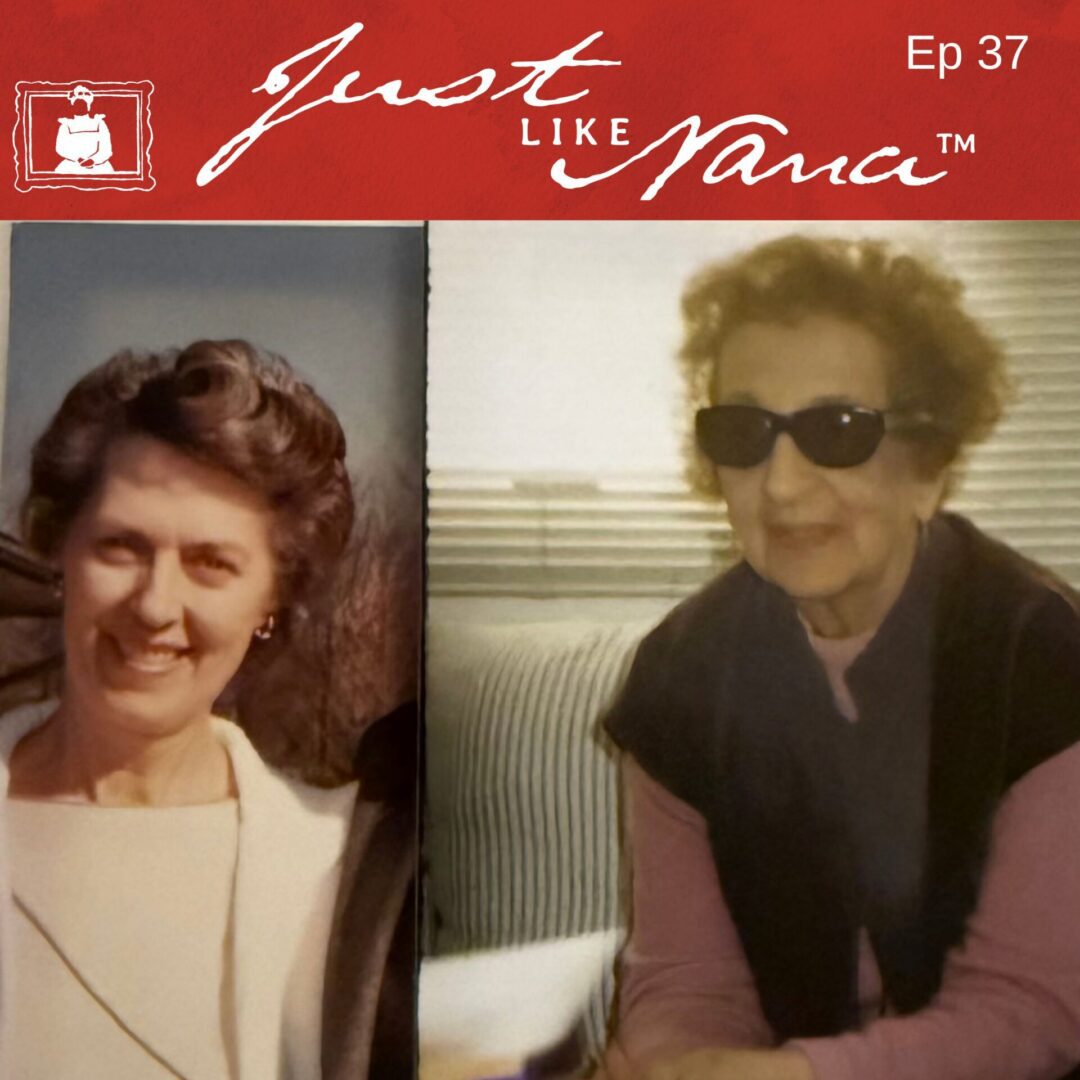
Wednesdae Reim Ifrach is here to discuss the biological, psychological, and historical layers of inherited stress and reveals how somatic inquiry, creative expression, and intentional play serve as powerful tools for liberation.
They also discuss how engaging your innate creativity can rewire your nervous system, restore true belonging, and transform generational wounds into ancestral joy.
About Wednesdae
Wednesdae Reim Ifrach is an expressive arts therapist, artist, and scholar whose work explores embodiment, queer identity, trauma healing, and creative practice. Through art, research, and somatic therapy, their work examines how creative expression becomes a pathway for reclaiming the body and transforming trauma.
Art as Ancestral Joy
On the latest episode of Just Like Nana, I had the absolute joy of sitting down with Wednesdae Reim Ifrach. Wednesdae is a board-certified art therapist, licensed counselor, PhD candidate, researcher, and author. They navigate the world as a queer, non-binary person living with physical disabilities, and their work sits right at the intersection of rigorous clinical psychotherapy, somatic inquiry, and creative expression.
As always, let’s anchor ourselves in our regular, essential truth: I am not a licensed mental health professional, and I am not offering clinical advice. I am a passionate curator of family stories and a seeker of invisible ancestral threads. My goal is to present various perspectives so that you can follow what strikes a chord of truth within your own body, and gently leave behind what doesn’t.
The Three Layers of Ancestral Trauma
When we talk about ancestral or intergenerational trauma, it can feel like a big, floating concept. Wednesdae broke it down into three clear, interconnected dimensions:
- Biological and Epigenetic: While our core DNA sequence doesn’t change, stress and trauma shorten the protective caps on our DNA called telomeres. Because an egg inside a mother was already present when that mother was in her grandmother’s womb, we literally carry physical genetic alterations across generations. This often manifests in multi-generational chronic illnesses, somatic distress, or reproductive health challenges.
- Psychological and Relational: This is what we absorb through family dynamics. Insecure attachment styles, hypervigilance, emotional suppression, and coping mechanisms get passed down through daily interactions. If you are the person in your family trying to build healthy boundaries and express your feelings, you might end up labeled as the “black sheep”—when in reality, you’re simply the well one.
- Historical: The systemic oppression, genocide, marginalization, or displacement experienced by our cultural, racial, or religious ancestors. These collective historical wounds shape how our family systems interact with authority, safety, and community.
Creativity as a Somatic Bridge
So, how do we release trauma when it lives so deeply in our nervous systems? We cannot simply logic our way out of body-based survival responses like fight, flight, freeze, fawn, or shutdown.
Wednesdae explained that creativity acts as a somatic bridge. Expressive arts—whether that is drawing, writing, singing in the car, or dancing—connect our logical left brain with our emotional, non-verbal right brain.
When we engage in creative expression, we give our body a safe outlet to discharge stored adrenaline and cortisol. And here is the best part: art isn’t just a way to process pain; art is ancestral joy! Every culture, lineage, and spiritual tradition throughout human history has used music, movement, storytelling, and visual art to celebrate and connect. When you make art, you step directly into your ancestors’ joy.
Circuit Breakers and Reclaiming Belonging
We also explored the painful intersection of ancestral trauma and queer or trans identities. In many family lines, previous generations survived severe hardships through strict conformity, rigid gender roles, or assimilation. When a descendant steps outside those roles to live authentically, the family system can mistakenly perceive that difference as dangerous, leading to conditional love or estrangement.
In ancestral frameworks, people who break these rigid, unhealthy molds aren’t “broken branches.” Instead, Wednesdae calls them circuit breakers.
A circuit breaker stops the destructive electrical overload from continuing down the line. Living as your true self is not a betrayal of your family; it is a profound act of lineage healing. Even if biological family members reject your truth, you still belong to a vast, resilient history of chosen family and cultural ancestors who paved the way before you.
Inviting Daily “Glimmers”
As adults in a productivity-obsessed world, we are taught to separate our minds from our bodies, suppress play, and sell our hobbies. But healing our nervous systems doesn’t require complicated work. It starts with tiny, low-pressure “glimmers” of joy:
- Grab a set of colored pencils or metallic markers and doodle stick figures without caring if it looks “good.”
- Spin around in your swivel desk chair for thirty seconds to give your body that childhood feeling of twirling.
- Turn on a favorite song in the car and sing at the top of your lungs.
When we give ourselves permission to play, we retrain our nervous systems to feel safe, grounded, and whole.
When you step away from the pressure to perform or conform today, what small, creative “glimmer” can you give your body permission to enjoy?
Connect with Wednesdae
Website: https://www.wednesdae.org/
Instgram: https://www.instagram.com/queer.art_therapist
Substack: https://substack.com/@wednesdae
Connect with the Show
- Website: justlikenana.com
- Share Your Story: If you have a family story or trauma you’re exploring, reach out via our website for a chance to be interviewed.