
Sub-Total: $0.00
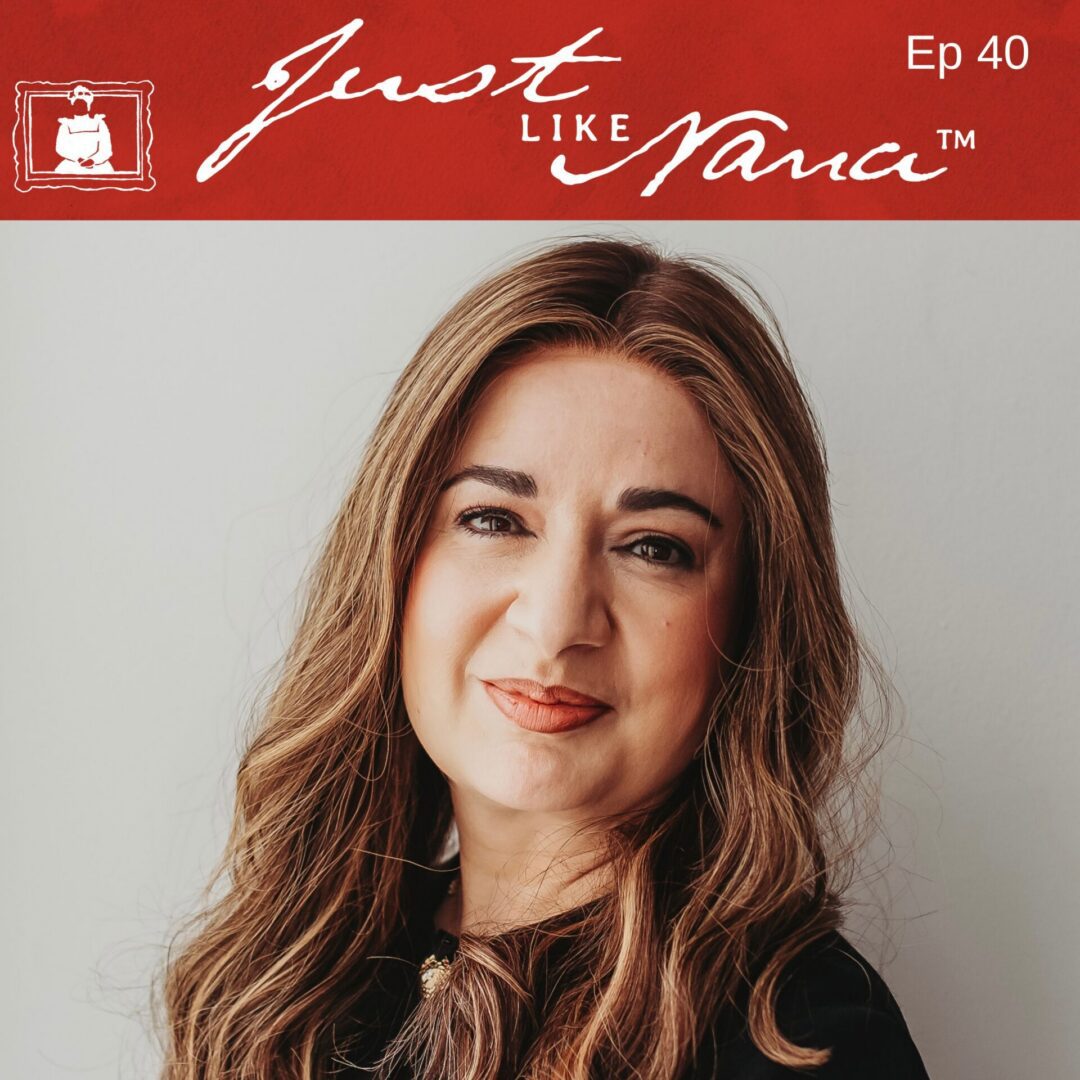
Zipa Leah Scheinberg is here to discuss her BITES Framework to decode how developmental wounds pass down through generations. She also explores how interrupted childhood development can safely resume, allowing descendants to move from survival adaptations into true sovereignty, emotional resilience, and ancestral belonging.
About Zipa Leah Scheinberg
Zipa Leah Scheinberg is a clinical social worker, developmental trauma theorist, and author with nearly two decades of clinical experience and training. Growing up as the daughter of a Holocaust survivor who survived Bergen-Belsen concentration camp, Zipa Leah spent her life seeking to name and map the unseen war wounds and interrupted childhoods passed down through family lines. She is the creator of the BITES Framework, designed to decode developmental trauma and help individuals rebuild core capacities in adulthood. Zipa Leah is the author of the forthcoming books Belonging (a hands-on experiential workbook) and Developmental Trauma Decoded.
Out of the Cloth of Death: Mapping Absence, Developmental Trauma, and Resuming the Cycle
On the latest episode of Just Like Nana, I had the absolute privilege of sitting down with Zipa Leah Scheinberg. Zipa Leah is a clinical social worker, developmental trauma theorist, and author with nearly two decades of clinical experience. Her life’s work sits right at the intersection of historical survivor legacies, developmental psychology, and generational healing.
A Garment of Covenant from Bergen-Belsen
Every episode, we open our space by inviting our guests to share a story of a grandmother. Zipa Leah shared an astonishing legacy about her grandmother, Rivka. Rivka survived the horrific Bergen-Belsen concentration camp alongside Zipa Leah’s father and two of his siblings.
When they were freed in May 1945, Rivka did something almost impossible to grasp. She took the uniform off a dead soldier and remade it by hand into a suit for Zipa Leah’s father’s bar mitzvah. Out of the cloth of death, she hand-crafted a garment of covenant—a physical declaration saying: You will still become a man; you will still belong to something. Then, she did an even harder thing: she allowed her young son to leave for England to become a scholar, choosing his future over her own longing to keep him near, not seeing him again for decades.
Zipa Leah grew up carrying the unseen war wounds of a father who carried Bergen-Belsen in his body long before she had language for it. She felt not only what had happened, but what had never happened—the childhood that got interrupted and never resumed.

The Cartography of Absence
When we talk about trauma in our culture, we tend to focus almost entirely on the explicit events—the bad things that happened. But Zipa Leah calls herself a “cartographer of absence.” She spent two decades mapping what happens to a developing human being when vital developmental needs are missing:
- What happens when there is an absence of protection, safety, warmth, or affection?
- What happens when a child doesn’t get enough food, predictability, or emotional mirroring?
Trauma isn’t just the impact of the storm; it is also the arid soil where a young tree was forced to grow around a giant rock. When we look at family patterns, we aren’t blaming the soil or the tree. We are simply acknowledging reality.
Decoding Developmental Trauma: The BITES Framework
To help us locate where we are and where we need to go, Zipa Leah created the BITES Framework, mapping the five core developmental domains that get interrupted by trauma:
- Belonging: The foundational need to feel welcome, wanted, and cherished in the world, starting even in utero.
- Identity: Developing a clear, grounded sense of who you are as you form.
- Trust: The ability to trust your own intuition, bodily signals, and perception of reality rather than relying solely on external validation.
- Existential Meaning: Knowing deep in your bones that you matter as a human being, independent of what you accomplish or produce.
- Shame vs. Dignity: Living from a place of inherent human dignity rather than organizing your life around avoiding shame and pain.
When severe trauma interrupts these domains in childhood, adulthood becomes significantly harder. But here is the vital shift: you are not broken, codependent, or a perpetual people-pleaser by nature. Those behaviors were brilliant childhood adaptations designed to keep you safe.
Deep Roots and Reclaiming Belonging
In our chat, I shared with Zipa Leah how I often felt “unmoored” or free-floating as a child due to family disconnections and ancestral silences. As an adult and a mother, I tried to be a massive, solid oak tree for my own children—giving them safety and shelter. But over time, I realized I was trying to stand tall without having deep ancestral roots beneath me.
Zipa Leah validated that this dynamic brings up two profound emotions: developmental grief and developmental hope.
- We feel developmental grief for the protection, belonging, and ease that we were denied as children.
- We feel developmental hope when we see our children, loved ones, or ourselves taking in real roots and building new capacities.
We redevelop belonging in three experiential layers: first to ourselves, second within our close relationships, and third within the broader world. It cannot happen purely cognitively; we have to put our body, mind, and heart into experiential practice.
Interrupted Development Can Still Resume
Symptom management—reducing flashbacks, anxiety, or panic—is an essential first step, but it is not the end of the road. True healing is about expanding your capacity for internal sovereignty, agency, and a full spectrum of emotion.
The interrupted development carried by your family line does not have to be the end of your story. It can be witnessed, understood, and slowly healed.
Which domain of the BITES framework—Belonging, Identity, Trust, Existential meaning, or Shame—is inviting you to offer yourself gentleness and growth today?
If Zipa Leah’s wise, compassionate framework offered a sense of footing for your journey today, please share this episode with someone who needs to hear that their adaptations make sense.
To explore Zipa Leah’s free resources and waitlist for her upcoming workbooks, visit her website www.zipaleah.com.
Connect with Zipa Leah
Website: https://www.zipaleah.com/
LinkedIn: linkedin.com/in/zipa-leah-scheinberg-lcsw/
Instagram: https://www.instagram.com/zipa_leah/
Connect with the Show
- Website: justlikenana.com
- Share Your Story: If you have a family story or trauma you’re exploring, reach out via our website for a chance to be interviewed.